
Poly-B and Your Listing: A Guide for Calgary Listing Agents
How Poly-B plays out in a Calgary sale, where deals fall apart, and the pre-listing moves that keep your seller in control of the number.

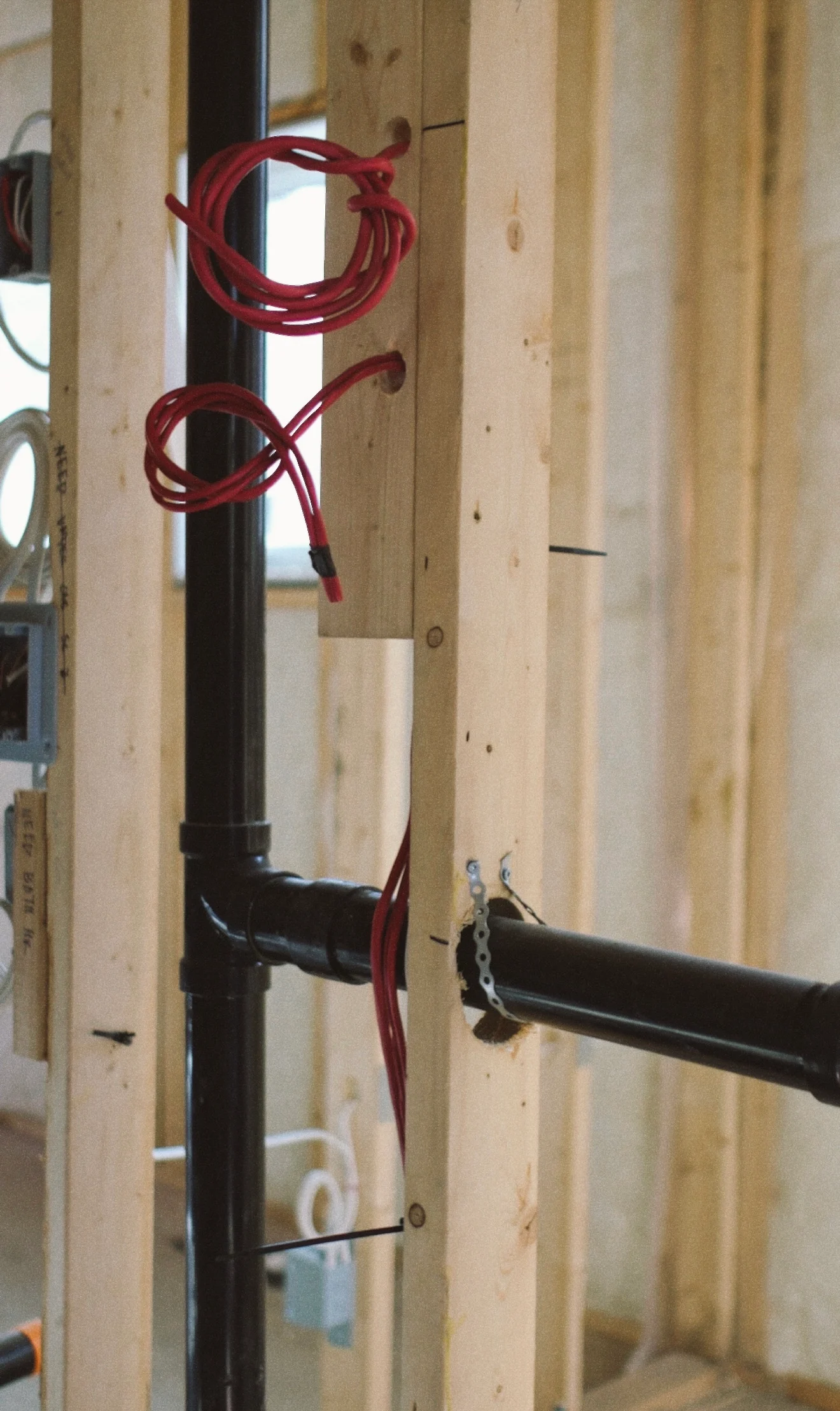
If you list homes in Calgary, you list Poly-B homes. Grey polybutylene pipe went into a large share of houses, townhouses and condos built between 1978 and 1998, and plenty of it is still in the walls. On its own, Poly-B is a plumbing problem with a known fix. In a sale, it becomes a negotiation problem, an insurance problem and sometimes a financing problem, usually all inside a short condition period.
This guide is for the agent on the listing side. It covers why Poly-B derails deals now, the four places it usually happens, and what you can do before the listing goes live so your seller sets the number instead of the buyer.

The short version
-
Check the build year on every listing. Anything from 1978 to 1998 gets checked for Poly-B before the photos.
-
The buyer's inspector will find it, and the buyer's insurer will ask about it.
-
Without a real number, the buyer's guess sets the price adjustment, and buyer guesses run high.
-
Your seller has three options: replace it before listing, put a written quote in the listing package, or negotiate blind. The first two protect the price.
-
Whatever your seller chooses, keep the paperwork: the quote, or the permit, inspection and replacement documentation.
Why Poly-B is a deal problem now
Poly-B has had a reputation for years. What changed is the insurance market. Insurers across Alberta have been pulling back from it. Depending on the company, a Poly-B home can mean a higher premium, limited water damage coverage, a deadline to replace the pipe, or a declined policy.
That matters to your sale because the buyer's lender needs the home insured before the mortgage funds. Your seller's current policy does not carry over, so the buyer has to get their own. When the inspector writes "polybutylene supply piping" in the report, the buyer's next call is to their insurer, and the answer can stall the deal or end it.
Where deals fall apart
-
The inspection report. The inspector flags it, the buyer reads about Poly-B online that night, and the next email asks for a large credit.
-
The insurance condition. The buyer's insurer declines, adds a surcharge, or wants it replaced by a deadline. Now the condition cannot be waived as written.
-
The number. Nobody has a real quote, so the buyer guesses high, the seller guesses low, and the condition deadline arrives before anyone agrees.
-
The fix before possession. The seller agrees to replace it, but there is not enough time before possession, or the buyer does not trust work they did not choose.
Every one of these is easier to handle before the listing goes live than after an offer comes in.
Find out before you list
Check the build year first. For anything built from 1978 to 1998, look in three places at your listing appointment:
-
At the water heater, where the supply lines connect
-
Under the kitchen and bathroom sinks, at the shut-off valves
-
In any unfinished basement ceiling, where the main runs are usually visible
Poly-B is a dull grey, flexible plastic pipe, usually stamped PB2110. White, red or blue plastic pipe is PEX, the modern replacement. Our identification guide has more detail.
Watch for partial repipes. Some homes had a section replaced after a leak, or one bathroom redone in a renovation. The buyer's inspector will still flag any Poly-B left in the house, and most insurers care whether all of it is gone. A free assessment confirms what is there and how much.
Your seller's three options
| Replace before listing | Written quote in the listing package | Negotiate blind | |
|---|---|---|---|
| What the seller pays | The real cost of the work | Nothing up front. The quote anchors any credit. | Whatever the buyer asks for |
| Time needed | A few weeks before photos | One free assessment | None |
| What buyers see | Poly-B replaced, with documentation | A known issue with a known price | An open question |
| Risk to the deal | Lowest | Moderate | Highest |
Option 1: Replace it before listing
This is the strongest position. The listing can say Poly-B replaced, the buyer's insurer has nothing to object to, and buyers whose insurers will not touch Poly-B can now buy the house. On a full restoration, the access cuts are patched and painted before the photographer arrives.
Book it a few weeks ahead of the listing date. Most homes are repiped in a few days, and drywall and paint add a few more because the compound needs to dry between coats. Here is what the job looks like day by day.
Option 2: Put a written quote in the listing package
When the listing date is too close to fit the work in, get the quote anyway. A free assessment gives you a written number for that specific house. Put it in the listing package, or have it ready for the first offer. When the inspector flags the pipe, the buyer's agent already has a real figure from a licensed plumber, and the conversation starts there instead of at a guess.
Option 3: Negotiate blind
The buyer sets the number. It is common for a buyer's ask to land at two or more times what the work actually costs. Most whole-home replacements in Calgary run between $8,000 and $15,000, and here is what moves the number. At best your seller gives up more than the work would have cost. At worst the deal dies at the insurance condition and you relist.
Talking to your seller about it
Most sellers hear "Poly-B" and assume the worst. These points tend to help:
-
It is a known problem with a known fix and a known price range.
-
The buyer will find it. The only question is who sets the number.
-
Replacing it before listing usually costs less than the credit a buyer will ask for.
-
If the timing does not allow it, a written quote does most of the same work, and the assessment is free.
If your seller replaces it
Keep a file ready for the buyer's agent:
-
The plumbing permit and the passed inspection
-
The written replacement documentation, stating what was removed and what was installed
-
The invoice or quote showing the scope: the whole home, or which areas
If your brokerage allows it, put "Poly-B replaced" and the year in the listing remarks or feature sheet. Mention it when buyer's agents call. It answers the question before the inspection does.
Condos and townhouses
In multi-unit buildings, Poly-B is often a building issue rather than a unit issue. Depending on the bylaws, the pipe inside a unit may be the owner's responsibility or the corporation's. Before you list a unit in a building from that era, find out:
-
Whether the building has Poly-B, and whether any of it has been replaced
-
Whether the board has a replacement plan or expects a special assessment. The reserve fund study and recent minutes usually say.
-
Who is responsible for in-suite piping under the bylaws
Buyer's agents will ask, and their clients' insurers may too. We also work with property managers and boards on staged replacement across whole buildings.
A word on disclosure
What a seller has to disclose about known Poly-B is a question for your brokerage, not your plumber, so follow your brokerage's guidance. What we can give your seller is clear facts to work from: whether it is there, how much of it, and what it costs to fix.
How we work with listing agents
-
Pre-listing checks are usually booked within two to three business days, with a written summary within one business day of the visit. Realtor requests move ahead of the queue.
-
A free Poly-B assessment and a written quote for that house.
-
One crew for pipes, drywall and paint, so your seller is not coordinating three trades before photos.
-
Insurance documentation when the work is done.
Tell us your listing date when you book. Here is how we work with realtors.
Common questions
Does Poly-B have to be disclosed?
That depends on what the seller knows and on your brokerage's guidance. Ask your broker.
Will a partial replacement satisfy the buyer's insurer?
Often not. Most insurers want to know all of it is gone. Either way, get the scope documented.
How far ahead of the listing date should the seller book?
A few weeks before photos. That covers the repipe plus drying time for drywall and paint.
Can the seller replace it after accepting an offer?
Sometimes, if possession is far enough out. But the buyer's insurer and lender need answers before conditions come off, and the buyer may not want work they did not choose. Dealing with it before listing avoids all of that.
What should I send my seller?
Our Poly-B and insurance guide and the cost guide are both written for homeowners.
Ready when you are.
Tell us what is going on and the Northern Flame team will get back to you within one business day.
Get a Free Quote